Weight-loss products are popular — but don’t forget your nutrients
Medications like GLP-1 receptor agonists (including popular weight-loss injections such as Ozempic) have helped millions of people lose weight and improve blood sugar control. Their use continues to rise but emerging research suggests an important nutritional consideration that shouldn’t be overlooked.
A large study of over 460,000 adults using GLP-1 medications found that over 1 in 5 people developed a nutritional deficiency within one year. The most common, and clinically significant, was vitamin D deficiency.
Why do GLP-1’s lead to lack of nutrients?
GLP-1 medications reduce appetite and slow digestion. Eating less reduces the amount of nutrients you get from food and cutting fat intake may limit absorption of fat-soluble vitamins like vitamin D. Slower digestion can further interfere with how well nutrients are absorbed and rapid fat loss can disrupt how vitamin D is stored and released in the body. Additionally, many people prescribed GLP-1 medications already have risk factors, such as obesity or type 2 diabetes, that increase the likelihood of vitamin D deficiency even before treatment begins.
Vitamin D plays a key role in bone strength, muscle function, and immune health, making deficiency especially concerning during rapid weight loss.
Why should GLP-1 users take more vitamin D?
Experts emphasize the importance of nutritional monitoring alongside treatment. Simple blood tests and dietary check-ins can help identify low vitamin D early, and targeted supplementation may help maintain healthy levels and support overall well-being during weight loss.
A balanced, well-monitored approach helps ensure you get the benefits of GLP-1 therapy without “throwing the baby out with the bathwater.
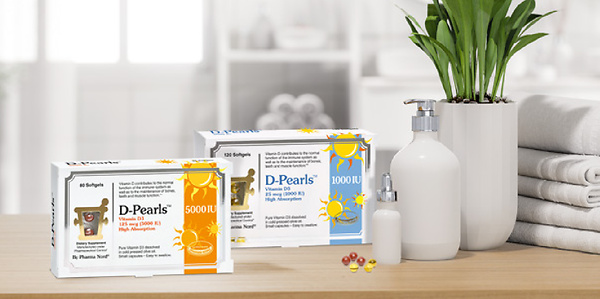
What’s the best vitamin D for people using GLP-1 medications?
Vitamin D is fat-soluble, meaning it’s best absorbed when paired with fat. For effective supplementation:
Choose softgel formulations that contain oil
Look for high-quality supplements supported by scientific documentation
Typical recommendations for GLP-1 patients range from 1,000–5,000 IU daily, depending on individual needs
It’s always best to check your vitamin D levels first and supplement accordingly.
Nutritional deficiencies and muscle loss in adults with type 2 diabetes using GLP-1 receptor agonists Obesity Pillars, Volume 15 (2025)
https://pubmed.ncbi.nlm.nih.gov/40584822/
Signup for our Newsletter
Health News
- and receive the latest knowledge about health and preventive medicine.